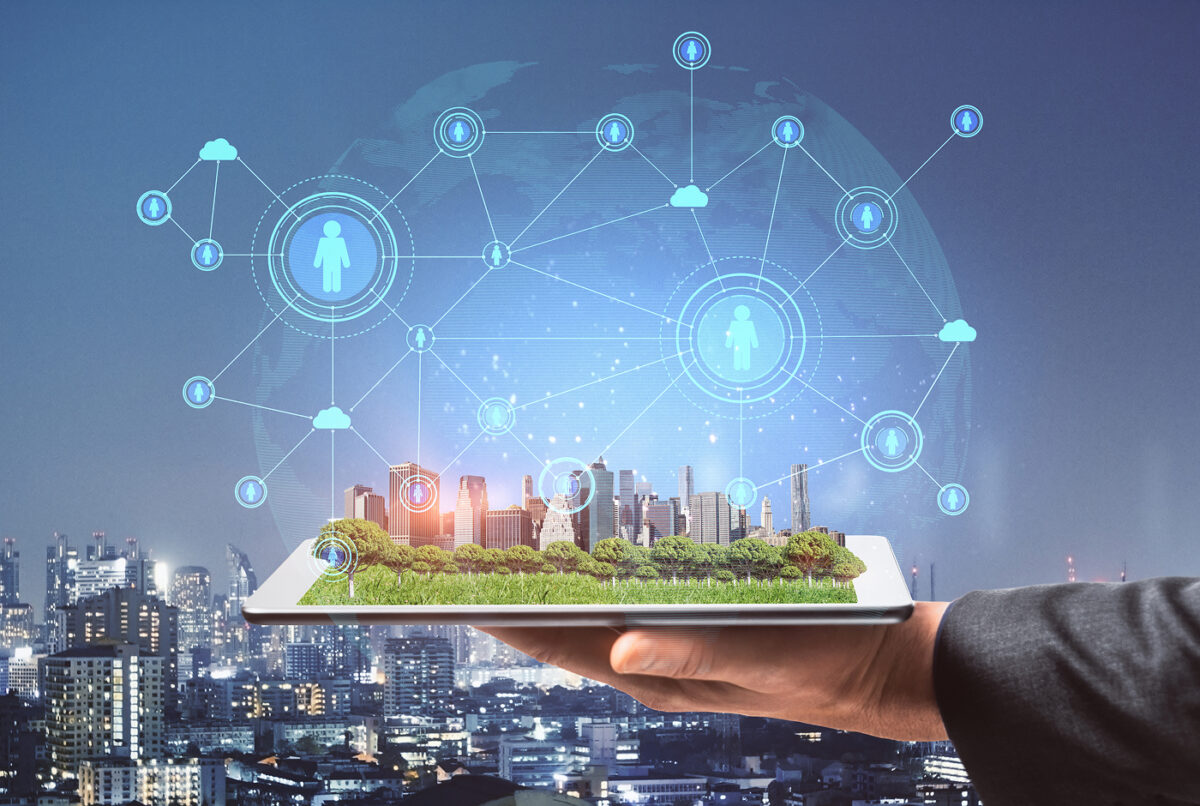
Hello, this is Freegrow!
These days, when you search for the term “UWB,” most of what comes up is about smartphones — Galaxy Z Flip, SmartTag, and iPhone. What’s interesting, though, is that even though this technology isn’t widely used yet, Samsung still hasn’t given up on UWB (Ultra-Wideband).
Why is that? Is it simply because it measures distance more accurately than Bluetooth, or is there something bigger behind it? Today, we’re going to dive into that question.
Although it once received a lot of attention and then seemed to fade quietly, UWB itself isn’t a new technology. As its name “Ultra-Wideband” suggests, it uses a very wide bandwidth to measure distances with centimeter-level precision.
After it was first introduced in the iPhone 11 series, Samsung quickly followed by adding UWB to their Z Fold and Z Flip series, as well as the Galaxy SmartTag+.
At the time, expectations were high — “We can finally unlock our houses and cars with our phones, even find people!” But as time passed, most users simply forgot that UWB even existed.
That’s because the ecosystem still wasn’t ready. To use a smart tag, you needed the right compatible device, the right OS, and even a UWB antenna.
So naturally, many people started asking, “Is this technology pretty much dead?” But Samsung is still including UWB chips in every flagship model each year. And the reason isn’t just “legacy.”
Samsung’s Real Reason for Sticking With UWB
— It’s About Understanding Context, Not Just Distance
The real strength of UWB goes far beyond accurate distance measurement.
Bluetooth or Wi-Fi–based positioning has large errors and is vulnerable to signal interference. UWB, on the other hand, can precisely detect not just location but also direction within a space.
This means it doesn’t just know “where a device is” — it understands the relationship, movement, and context between people and objects.
This is why Samsung won’t let go of it. UWB is not just another sensor. It is a core pillar of technology that understands spatial behavior.
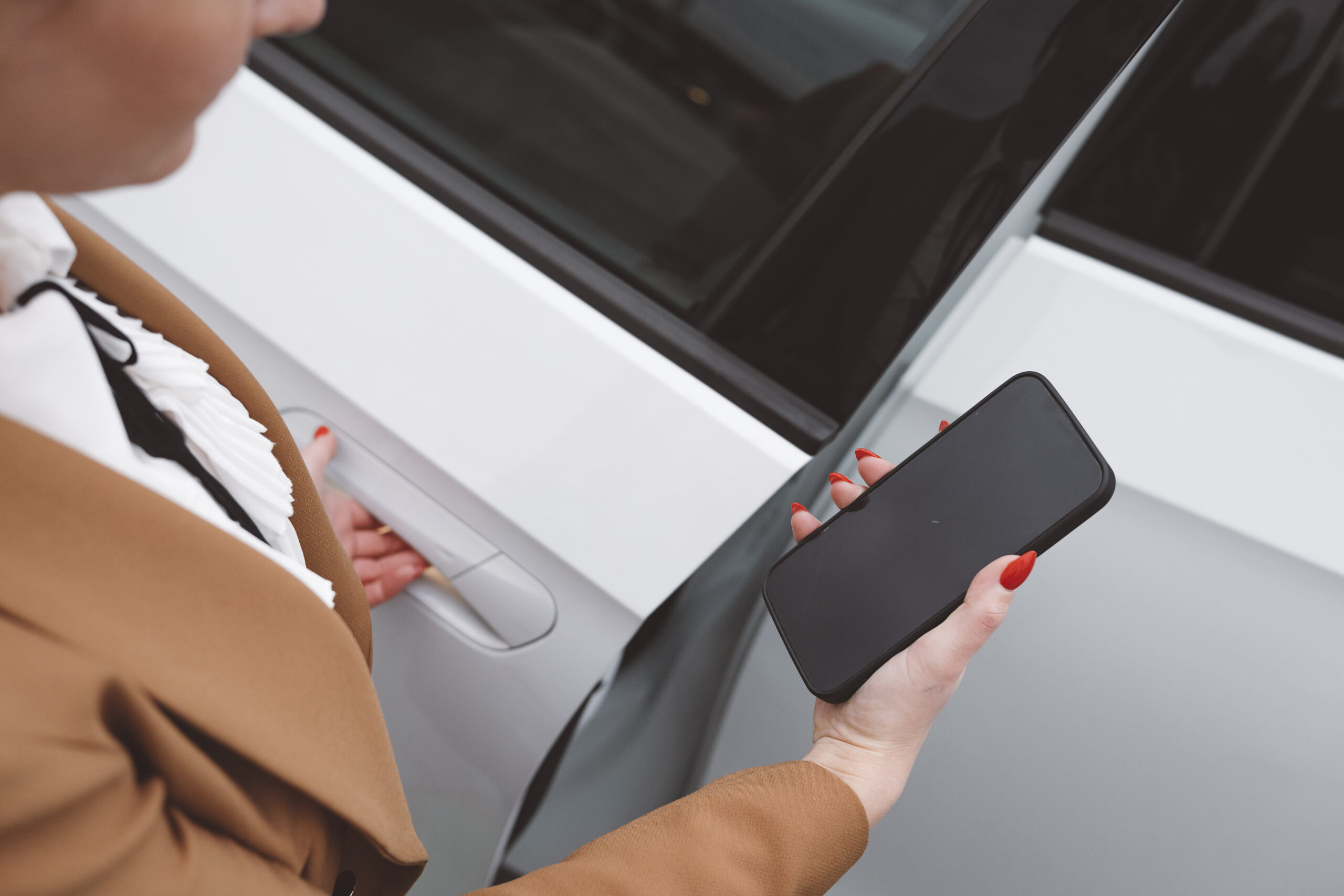
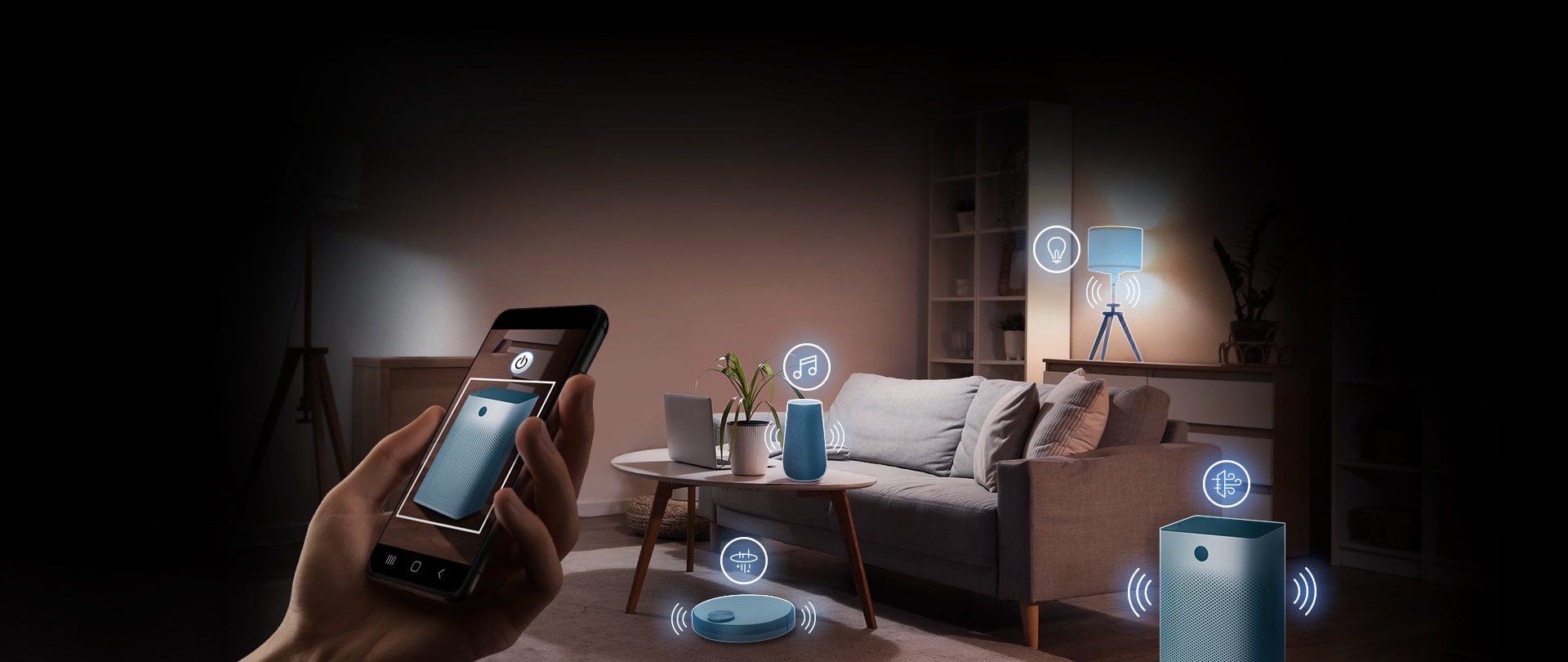
Samsung is already moving toward building a “smart spatial ecosystem” using UWB — car keys, door locks, smart homes, office access systems, and more.
The Era of “Spatial Experience,” Not Just Technology
The battlefield for companies today isn’t raw performance — it’s experience.
And UWB is a technology that makes those experiences richer. Imagine entering your home and the lights automatically turn on, your car unlocking simply because you walked near it, or a kids’ zone where you can track a child’s location in real time.
All of this becomes possible through UWB-powered precision spatial awareness.
And this extends beyond convenience into the realm of trust and safety.
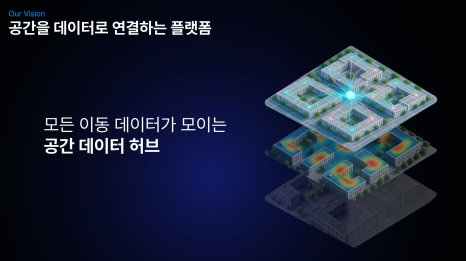
This aligns closely with the direction Freegrow is pursuing. Instead of relying on cameras, we’re building spatial experiences using UWB-based RTLS (Real-Time Location System) that can precisely capture human movement while preserving privacy.
UWB Is Moving Beyond Smartphones and Into Space Itself
UWB may look like a “supporting feature” of the smartphone era, but its real destination is the smart space. Samsung won’t give it up because this technology will ultimately become the key to connecting people and the spaces they live in.
In the next few years, UWB could become the foundational infrastructure for all spatial services — smart homes, autonomous vehicles, logistics, healthcare, kids’ care, and more. It may seem quiet now, but companies preparing for the next era — Samsung, and Freegrow as well — are all moving in that direction.
Right now, UWB may feel like a “strange” or unfamiliar technology to most people. But if you zoom out a bit, you’ll notice that it’s already changing how we live. Unlocking a front door, finding your car in a parking lot, understanding where your child is — behind every invisible meter of distance, technology is silently learning how to understand us.
Samsung’s commitment to UWB isn’t just because it’s a powerful technology. It’s because they see the future of spatial computing ahead of time. And at the center of that future, Freegrow is also researching ways to understand space more precisely and more humanly. One day, the three letters “UWB” will feel less like tech jargon and more like part of everyday life. Until then, the technology that understands space will continue taking small but steady steps forward.