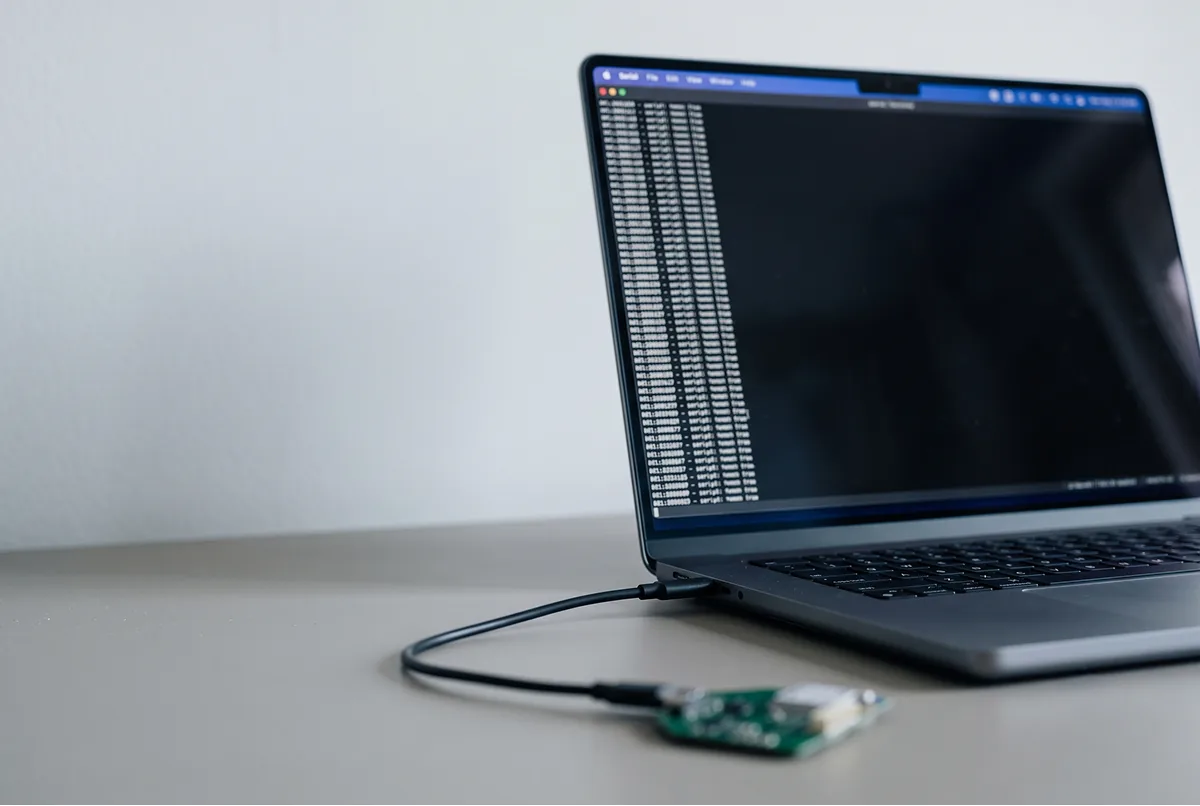
UWB (Ultra-Wideband), Essential Technology for Enterprise Innovation
Accurate indoor positioning technology is becoming increasingly important across various industries, including smart factories, logistics, healthcare, and autonomous robots.
Traditional technologies such as GPS, Wi-Fi, and Bluetooth (BLE) have limitations in indoor environments due to signal interference and low accuracy. However, UWB (Ultra-Wideband) offers ultra-precise accuracy of 10–30 cm, making it a powerful indoor positioning solution.
So why should enterprises adopt UWB now? Let’s explore five key reasons.
Why Is Precise Indoor Positioning Important?
UWB provides significantly higher positioning accuracy (10–30 cm margin of error) compared to Wi-Fi or Bluetooth.
- Technology Comparison Table
| Technology | Positioning Accuracy | Transmission Speed | Power Consumption | Security | Indoor Usability |
|---|---|---|---|---|---|
| Bluetooth (BLE) | 1–5m | Medium | Medium | Medium | High |
| Wi-Fi | 5–10m | Medium | High | Low | Moderate |
| RFID | 50cm–several meters | Slow | Low | Medium | Low |
| GPS | 3–10m (indoor use difficult) | Fast | High | Medium | Not usable indoors |
| UWB | 10–30 cm | Very fast | Low | Very high | Very high |
✅ Accurate positioning even in indoor spaces where GPS is ineffective
✅ Precise data enables applications in logistics, healthcare, autonomous navigation, and more
Robust Security: A Technology Free from Hacking Concerns
UWB operates on a wide frequency band (500MHz+), making it highly resistant to signal interference and difficult to intercept, ensuring strong security.
- Wi-Fi is vulnerable to hacking, and Bluetooth is prone to signal interference.
- UWB signals are difficult to intercept, making them ideal for security-sensitive environments such as finance and healthcare.
✅ Secure data transmission in industrial environments
✅ Safe deployment in hospitals, financial institutions, and other security-critical areas
Long Battery Life, Reduced Maintenance Costs
UWB technology operates efficiently with low power consumption, reducing enterprise maintenance costs.
- Consumes less power than Wi-Fi, extending battery life.
- Reduces maintenance costs for tags and sensors.
- Maximizes cost savings for long-term logistics and manufacturing operations.
✅ Long-term operational cost savings
✅ Efficient deployment in large-scale environments such as smart factories and logistics centers
Versatile Technology Applicable Anywhere
UWB is a universal technology that can be applied across various industries rather than being limited to a specific field.
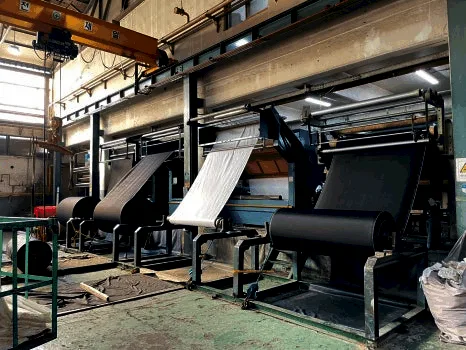
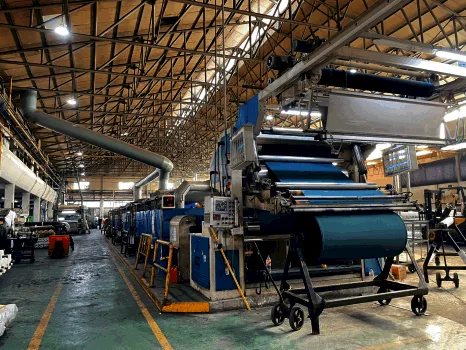
Smart Factories & Logistics Centers
- Real-time inventory tracking and automated material management
- Autonomous robots finding optimal routes
Hospitals & Healthcare Facilities
- Real-time patient location monitoring
- Automated emergency medical equipment management system

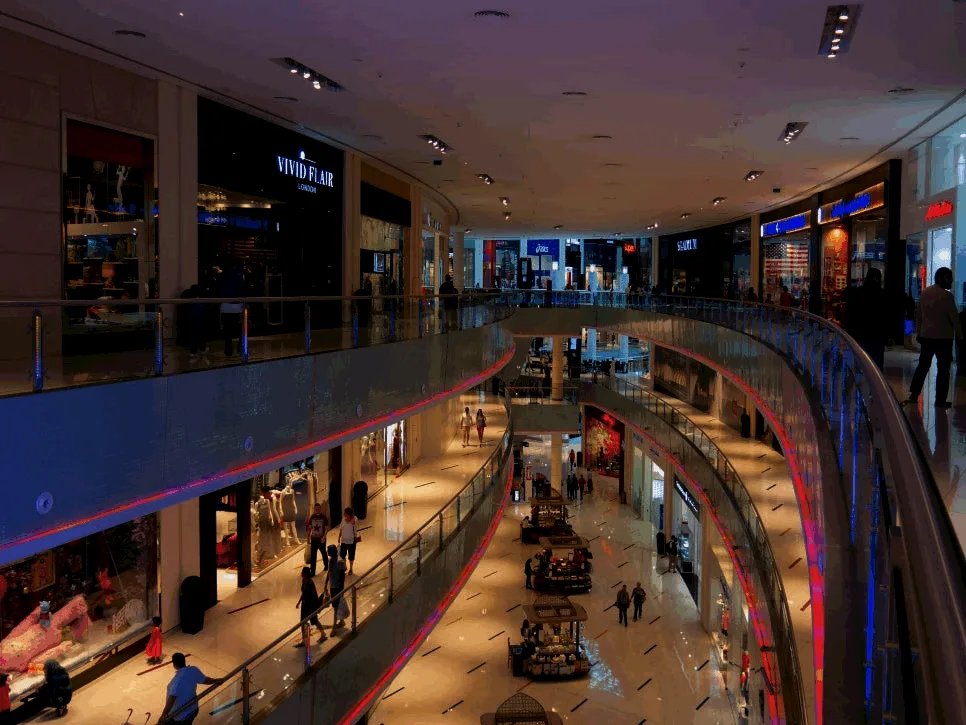
Smart Offices & Retail Stores
- Employee movement analysis and workflow optimization
- Personalized advertisements tailored to visitor interests
✅ Applicable to industries such as smart factories, healthcare, logistics, retail, and autonomous navigation
✅ Custom solutions tailored to each industry
Future Technology Recognized by Global Enterprises
Apple, Samsung, Tesla, and other global enterprises are actively adopting UWB technology.
- Apple & Samsung → Implementing UWB in smartphones and wearables
- Tesla → Researching autonomous driving and logistics automation
- Logistics & Retail → Utilizing UWB for inventory tracking, logistics automation, and store optimization
✅ Rapid adoption is necessary to keep up with global trends
✅ Early UWB system implementation ensures a competitive edge
Common Questions Businesses Ask Before Adopting UWB
Isn’t this expensive to deploy at scale?
Tag and anchor hardware costs scale with the number of assets or areas tracked, and most deployments start with a pilot zone (a single line, warehouse aisle, or floor) before expanding — so the upfront investment can be sized to match the use case rather than committing to a full-site rollout on day one.
Will it work alongside our existing Wi-Fi and BLE infrastructure?
Yes. UWB operates on its own wide frequency band, so it doesn’t compete with Wi-Fi or Bluetooth for spectrum, and a UWB system can run alongside existing wireless infrastructure without reconfiguring it.
How long does implementation take?
For a single room or pilot zone, anchors can typically be installed and calibrated within a day; full-site rollouts with dozens of anchors and integration into an existing dashboard or ERP/MES system take longer and are usually scoped case by case.
For a closer look at how real-time location systems fit into industrial and logistics operations, see GrowSpace’s UWB RTLS solution page.
Adopt UWB with GrowSpace
GrowSpace offers the best UWB solutions for precise indoor positioning and smart space management.
UWB Implementation Consulting
- Customized UWB solutions for enterprises
- Applicable to various industries, including smart factories, logistics, healthcare, and retail
High-Precision Real-Time Positioning System
- Positioning accuracy within 30 cm
- Reliable indoor tracking where GPS is ineffective
- Integration with various IoT devices for smart space management
Easy Installation & Maintenance
- Hassle-free installation with minimal spatial constraints
- Simple maintenance & flexible deployment

Implement UWB Solutions Now!
UWB technology goes beyond simple positioning—it is a core technology for space digitalization.
With GrowSpace, you can achieve more precise and efficient indoor space management.
Curious about how UWB can benefit your business? Contact us today!
PLANNING A DEPLOYMENT?
Which setup fits your site?
GrowSpace designs real-time location tracking (RTLS) around the conditions of your factory, warehouse or construction site — installation, integration with existing systems and ongoing operation handled by one team.
Related reading