

A custom industrial system is not ready for a smooth operational handover simply because a feature demonstration is complete. The receiving team also needs to know what is being delivered, who handles day-to-day operations, and where changes or questions go. Those responsibilities vary by project scope and contract, so agree on the documents and boundaries before ownership of the work changes.
Use the checklist below to structure that discussion. It is not a promise that every project includes every document or service.

1. List the delivered scope and versions
A system name alone does not tell an operator what is running. Record the modules included and excluded, the production and test environments, deployed version, external connections, named contacts, and support route at the level agreed for the project. Point to the operator guide or screen where the new owner can find this information.
2. Make integration behavior and exceptions explicit
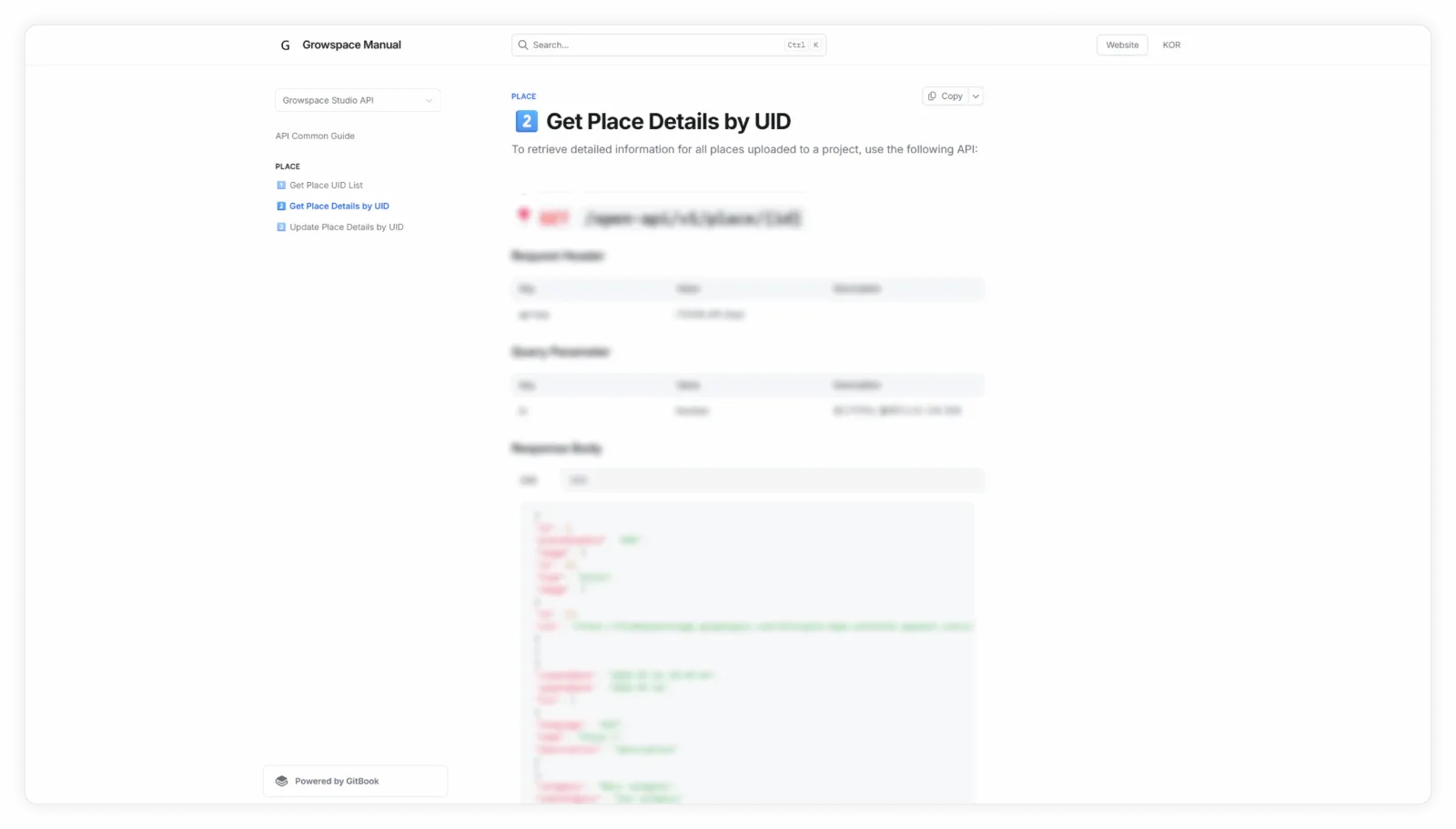
For an API or file connection, confirm the endpoint, authentication approach, field definitions, success and error responses, retry and duplicate-handling rules, and the counterpart responsible for the connection. Never copy live passwords or keys into a handover document; use the project’s approved secure transfer and storage process. Also decide who communicates and validates changes made by an external system.
3. Define data meanings and owners
The same field name can mean different things to different teams. Agree on the definition, unit, source system, update frequency, and contact for each important data set. If personal or commercially sensitive data is involved, document access, retention, deletion, and transfer boundaries according to the contract and the organization’s policies.
4. Confirm routine operations, backup, and recovery
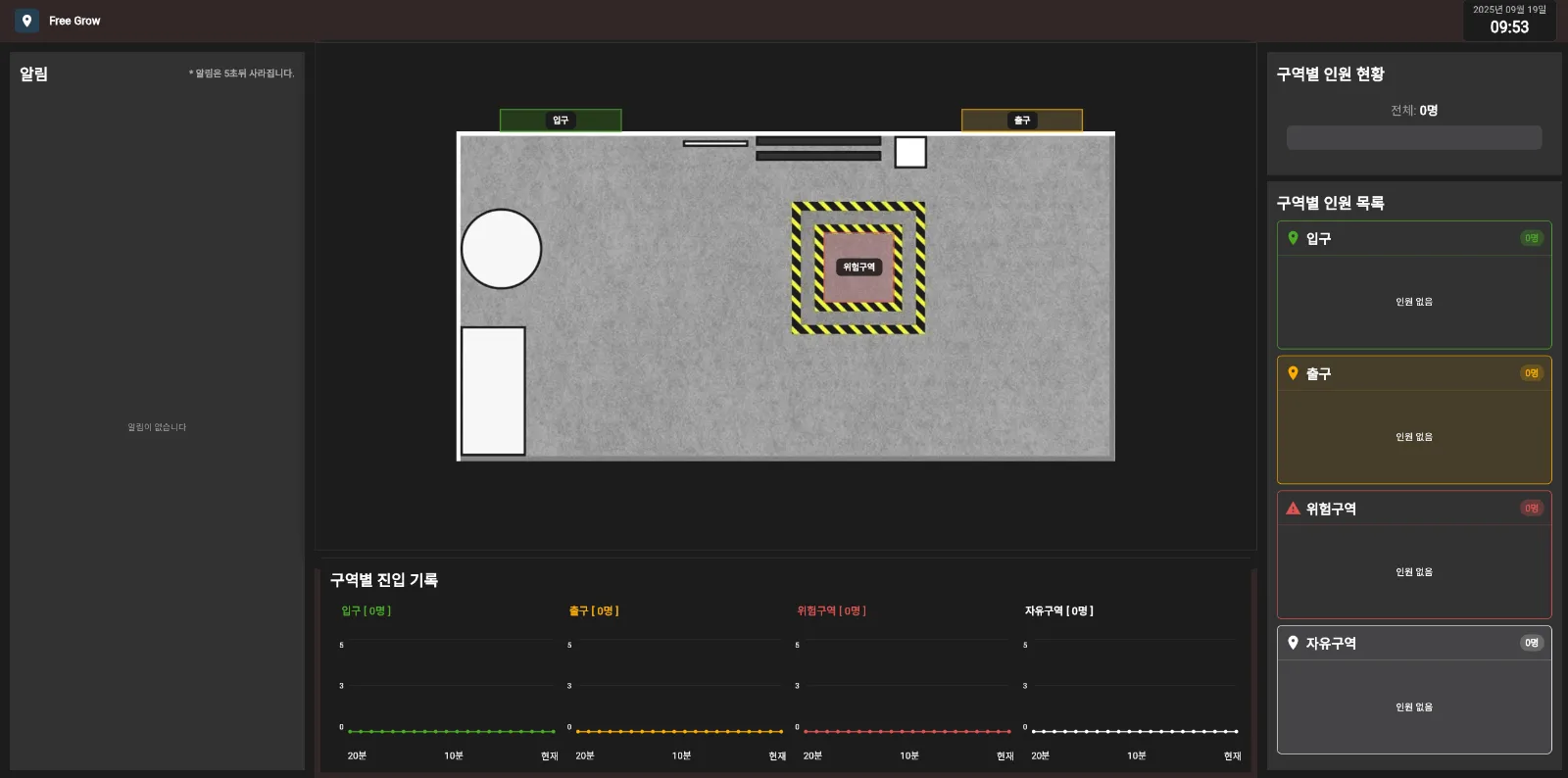
Identify the routine status checks, how user access is requested or removed, what logs operators can review, and who owns scheduled backups and recovery. A statement that backups exist does not by itself show that restoration has been tested. Record whether a recovery exercise was performed, its procedure, and who performed it.
5. Hand over test results and known limits
Keep the tests performed at handover, pass and fail results, reproduction steps, open issues, and known limitations together. Do not describe an untested condition as confirmed behavior. For each open item, name its impact, any temporary workaround, the next owner, and the next review date.
6. Separate maintenance scope from response expectations
Confirm the incident channel, support hours, scope of diagnosis and fixes, responsibility when an external service is down, and how change requests are handled. “Maintenance is available” does not define response time or free changes for every situation. Separate included work from items that require a new agreement.

7. Check source, licenses, and account transfers against the contract
Rights to source code, third-party libraries, cloud or domain accounts, and licenses depend on the contract. Do not assume that all work automatically belongs to the buyer or that the supplier always retains it. List each asset and confirm the relevant usage and transfer rights. Transfer accounts only through approved procedures and permissions; do not put secrets in public documents or email text.
Questions to close the handover meeting
- What should the operator check routinely, and who is the first contact when something goes wrong?
- What is complete, incomplete, or not yet tested within the agreed scope?
- Where are the integration, access, backup, and license records, and who maintains them?
- How are requests outside the contract or incidents handled?
Written answers help the receiving team avoid searching for the person who “knows how this works.” Confirm actual deliverables and support scope against the agreement for the specific project.
