
Your RTLS Feed Went Silent: What to Log Before Escalating a Q1 Integration Issue
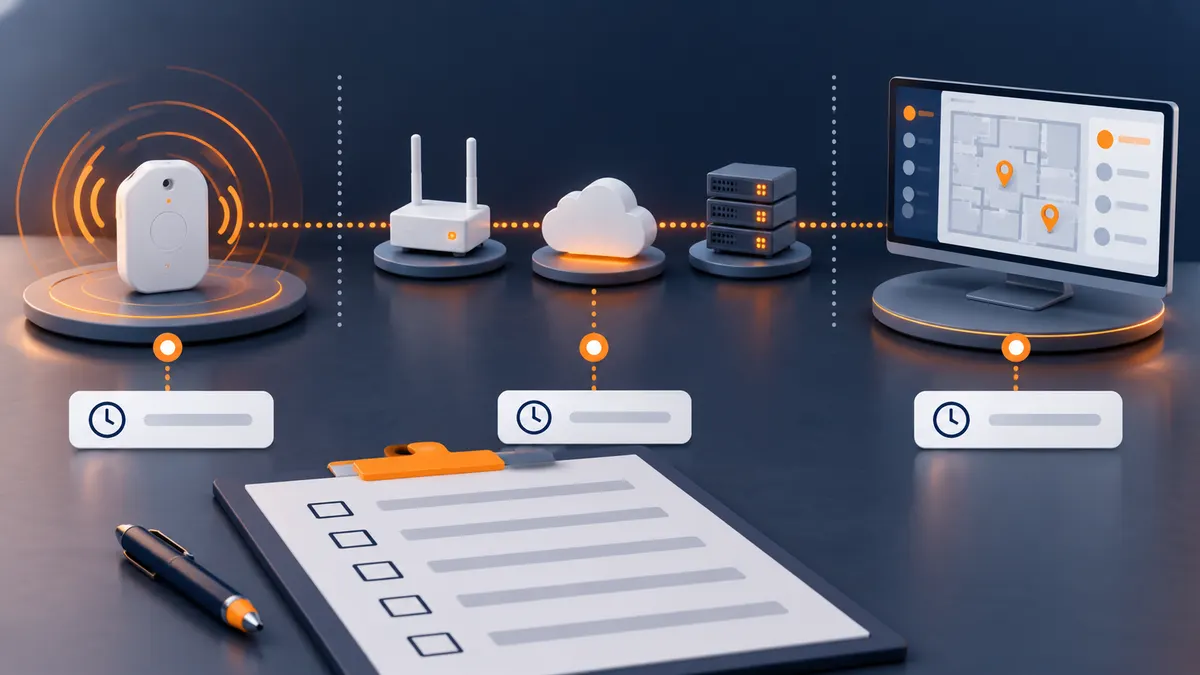
For RTLS no-data troubleshooting, first establish where the last usable position was observed. Check the device output or broker observation separately from the subscriber, database and screen. Preserve the time of the failure and the current configuration before changing anything. A short, well-labeled evidence packet is more useful than a screenshot showing an empty map. […]
Where Does Work Wait? Using RTLS Dwell-Time Data to Investigate Warehouse Bottlenecks
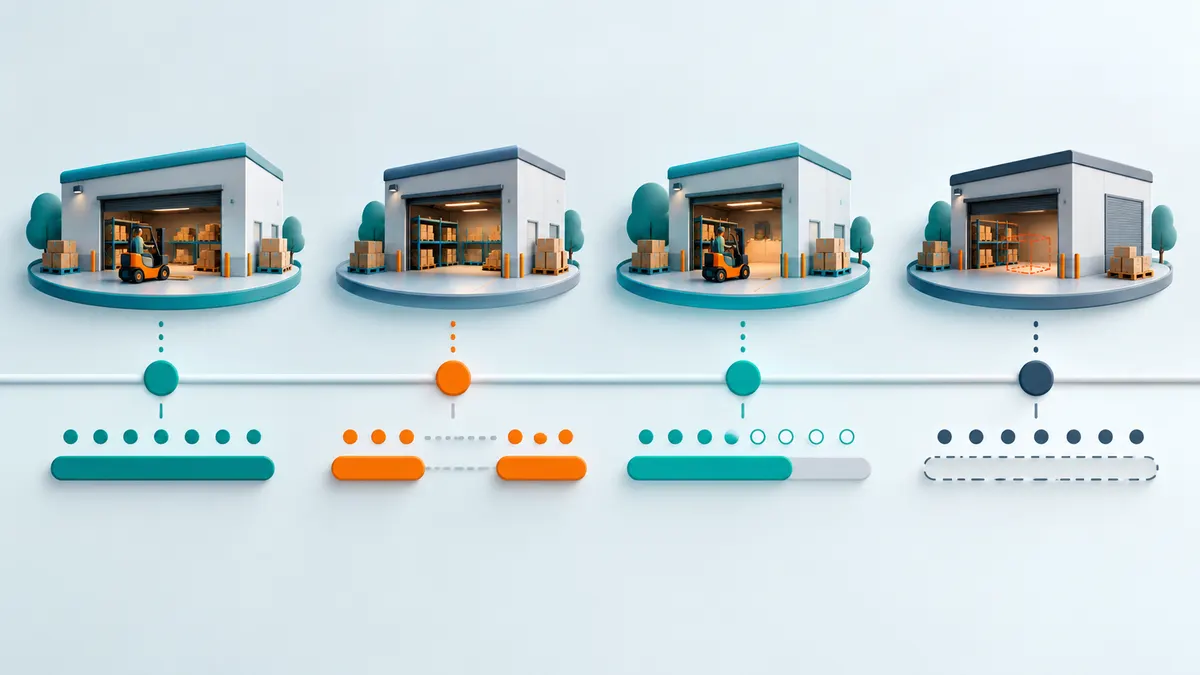
Warehouse dwell-time tracking becomes useful when the team agrees what counts as an arrival, a departure and an incomplete observation. RTLS coordinates can contribute to those events, but time inside a zone does not automatically equal waiting time. Define the process states first, then use location records to investigate where delays deserve closer attention. This […]
Who Will Maintain Your RTLS After Installation? An Operations Handover Checklist
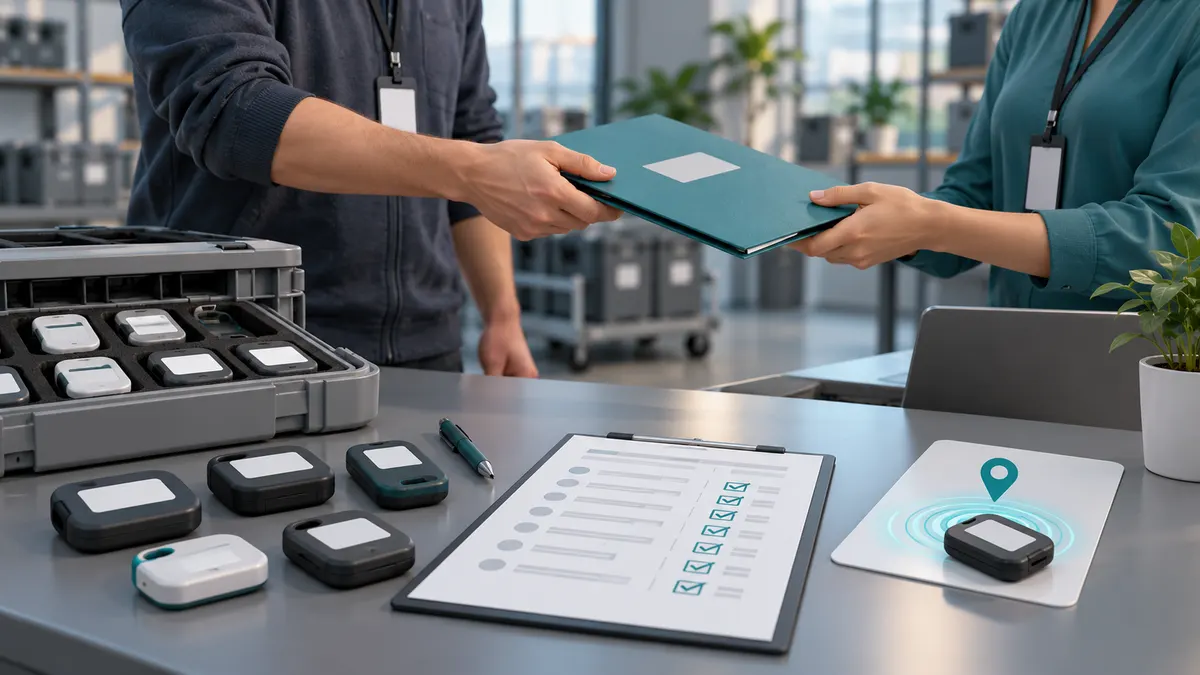
An RTLS maintenance checklist should identify the people, records and tested procedures needed to keep location information useful after the installation team leaves. Start with ownership of device configuration, tag assignment, power, network services and the consuming application. A working demonstration becomes an operating service only when those responsibilities have a clear home. The handover […]
From UWB Coordinates to Useful MQTT Events: Define the Data Contract Before Integration

A useful UWB MQTT integration starts with a data contract: the meaning of each identifier, coordinate, timestamp and application event. Record which values come from the device and which your software adds. Agree how invalid, delayed or ambiguous observations will be handled before a live map or business system starts depending on them. This guide […]
How Often Must an Asset Position Update? Build an RTLS Data-Rate Budget Around the Workflow
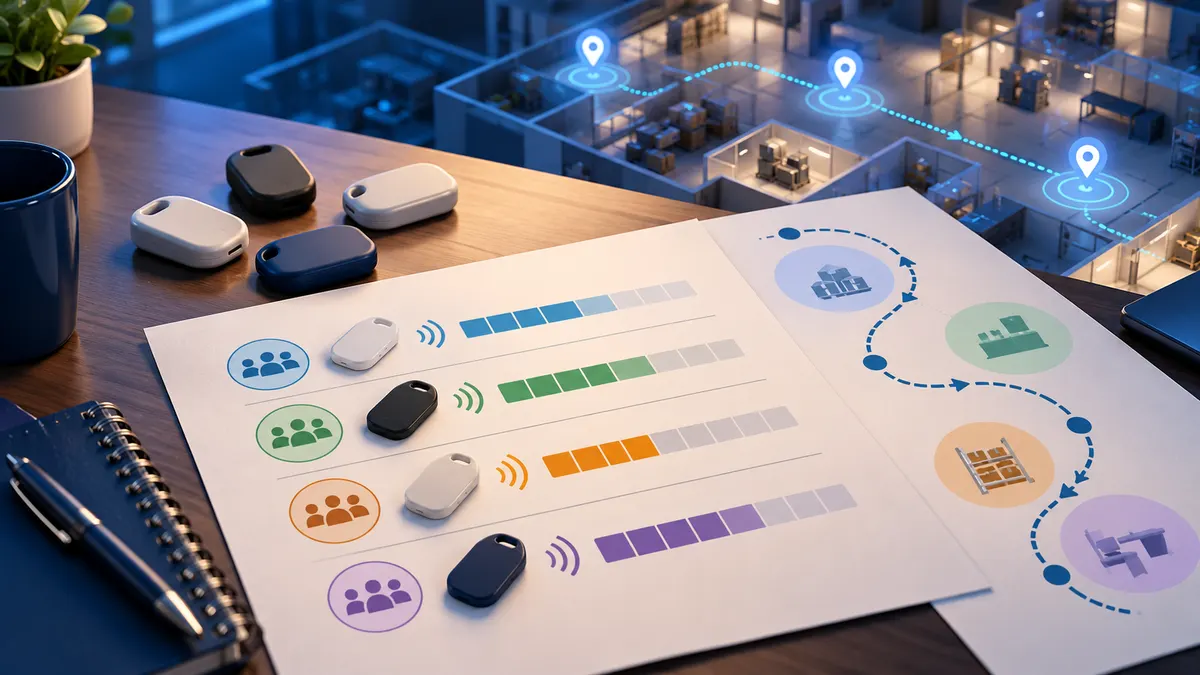
Set RTLS update-rate requirements by working backward from the decision that consumes the position. Write down how old the location may be, how many tags are active together and how the application will respond when updates are late. Then test the complete data path. The highest advertised rate alone cannot tell you whether a warehouse […]
Still Searching for Tools and Equipment? Decide What Your Warehouse Actually Needs to Track

To reduce time spent searching for warehouse equipment, start with the assets that repeatedly interrupt work and the question each search must answer. Some equipment needs a reliable home location. Some needs a record of who took it. Equipment that moves unpredictably between work areas may justify current location data. The useful starting point is […]
Can RTLS Stay On-Premises? A Network and Data-Ownership Checklist for IT Teams
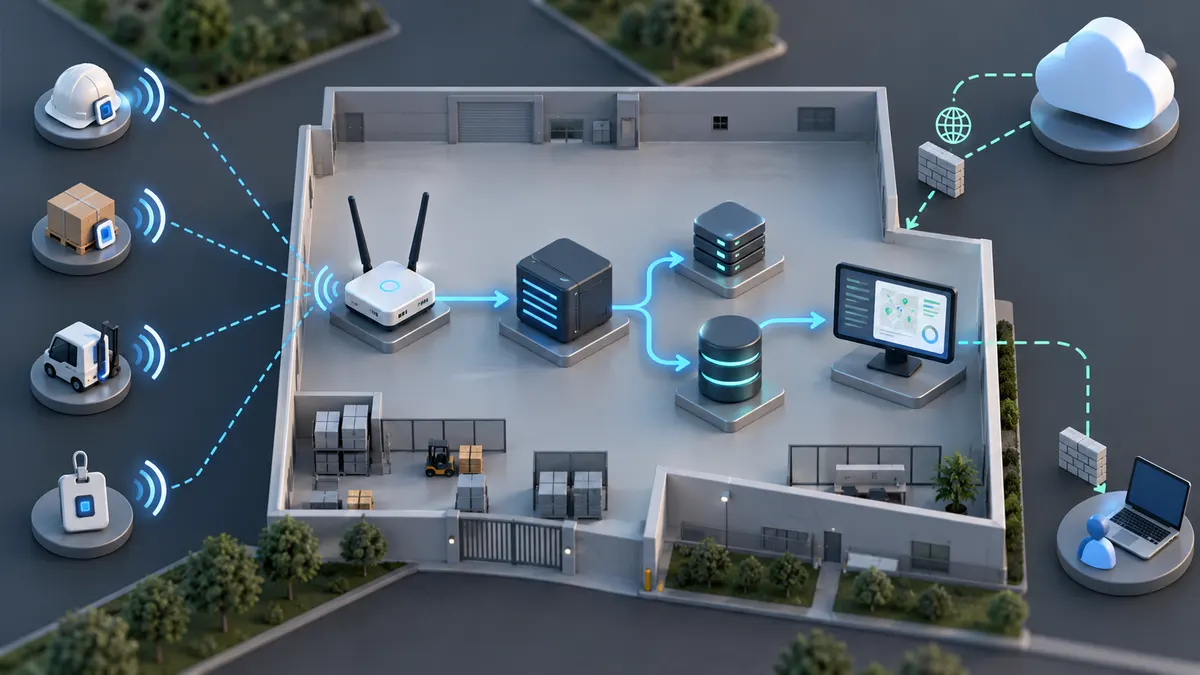
An on-premises RTLS design needs more than a local MQTT broker. The review must establish where position data travels, where it is stored, which services depend on external access and who operates each component. A local data path may be feasible while configuration, licensing, updates or support still have separate dependencies. Use the checklist below […]
Planning RTLS Integration with WMS or MES: Keep Tag and Asset Identity Connected

RTLS integration with WMS or MES needs a dependable relationship between the source tag and the business object the application uses. Define who creates that relationship, when it becomes valid, how replacements work and what happens to history. Otherwise, technically valid coordinates can update the wrong equipment, fixture or job. This article focuses on identity […]
Forklift Proximity Warning or RTLS Tracking? Questions for a Safety-System Brief

A forklift proximity-warning brief should specify the intended warning function, its recipient, the expected response and the evidence needed when the system cannot perform as intended. Keep location monitoring, proximity detection, alerts, event records and machine control as separate requirements. Each needs its own scope and verification. This is a procurement checklist for review with […]
Buying a UWB Kit for an Overseas Team: What to Include in Your RFQ

A useful UWB development kit quotation starts with the experiment you need to run, the devices active at the same time and the way your software will receive positions. Add the destination, purchasing-document requirements and the tests needed for acceptance. Those details let a supplier quote a configuration and scope rather than guess from the […]